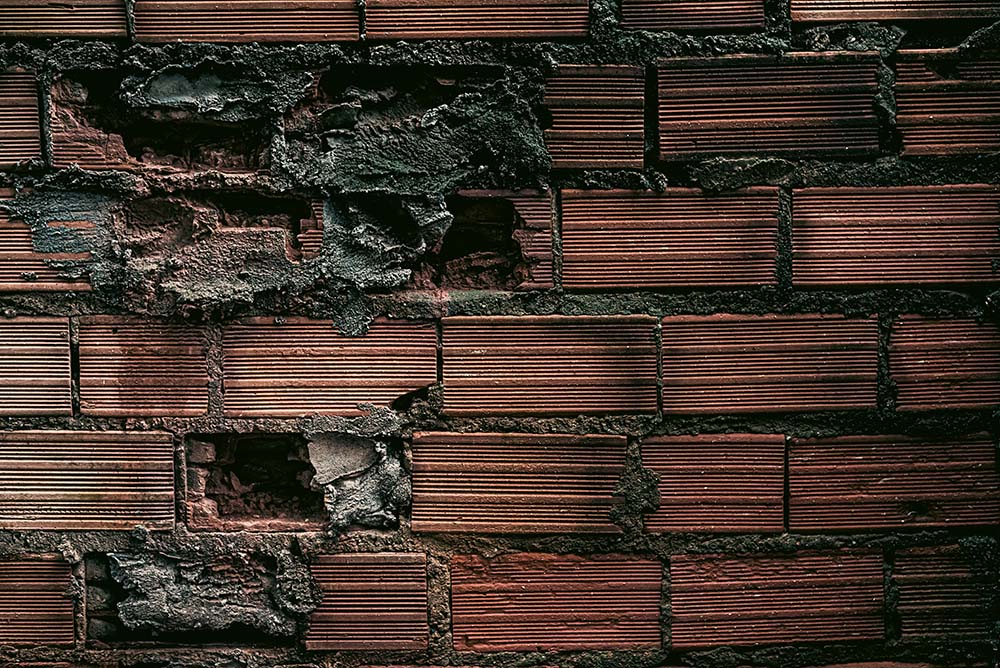

You’re walking around your house and notice a few pieces of brick lying on the roof or ground. You look up at the chimney and see that some of the bricks appear chipped, cracked, or are actually losing their outer surface.
What’s happening?
If bricks are falling off your chimney, there’s a good chance you’re seeing a type of masonry deterioration commonly called spalling.
And while a few small pieces of brick may not seem like a major problem, crumbling chimney masonry is something you shouldn’t ignore.
For Wichita homeowners, our combination of rain, wind, freezing temperatures, summer heat, and rapid temperature changes can be especially hard on masonry chimneys. Once deterioration begins, continued moisture exposure can cause the damage to spread.
Here’s what causes chimney bricks to crumble, how serious the problem can become, and when it’s time to call a professional.
Quick Answer: Why Are My Chimney Bricks Crumbling?
Chimney bricks commonly crack, flake, or crumble because moisture has entered the masonry. When temperatures fall below freezing, trapped water expands and puts pressure on the brick. Repeated wetting, freezing, and thawing can eventually cause the face of the brick to break away.
This deterioration is commonly known as brick spalling.
But moisture isn’t the only possible cause.
Age, improper repairs, poor-quality masonry, chimney leaks, crown problems, and other structural issues can all contribute.
The important question isn’t simply why the brick broke.
It’s also:
Where is the moisture coming from, and how do we stop more damage from occurring?
What Is Chimney Spalling?
Spalling happens when the surface of a brick begins to deteriorate and break away.
You may notice:
- Flaking brick surfaces
- Chips of brick around the chimney
- Pitted or rough brick faces
- Cracked bricks
- Sections of brick breaking away
- Pieces of masonry on the roof
- Bricks that appear soft or deteriorated
In more advanced cases, a brick can lose a substantial portion of its face.
Once that protective exterior has deteriorated, the brick may become even more vulnerable to moisture.
That’s why chimney spalling in Wichita should be addressed rather than treated as a cosmetic problem.
Why Does Water Damage Chimney Brick?
Brick looks solid, but masonry is naturally porous.
That means it can absorb some moisture.
The problem becomes more serious when excessive amounts of water repeatedly enter the brick and mortar.
Imagine a tiny amount of water entering a small crack.
When temperatures drop below freezing, that water expands.
The crack gets slightly larger.
More water enters.
It freezes again.
Over repeated freeze-thaw cycles, the brick can eventually begin breaking apart.
This is one reason chimney masonry problems often become noticeably worse after several Kansas winters.
Why Kansas Weather Can Be So Hard on Chimneys
Wichita weather isn’t particularly gentle on exterior masonry.
Over the course of a year, your chimney may experience:
- Heavy thunderstorms
- Wind-driven rain
- Hail
- Strong winds
- High summer temperatures
- Snow and ice
- Freezing temperatures
- Rapid temperature swings
And unlike many other parts of the home, your chimney sits above the roofline with very little protection from the elements.
That constant exposure can gradually wear down brick, mortar, crowns, flashing, and other chimney components.
A Damaged Chimney Crown Can Cause Brick Problems
Sometimes the damaged bricks aren’t actually the original problem.
The issue may begin at the top of the chimney.
A properly constructed chimney crown is designed to direct water away from the masonry below.
When the crown becomes cracked or deteriorated, rainwater can enter the chimney structure.
Over time, that moisture can contribute to deterioration throughout the upper portion of the chimney.
If you’re replacing damaged bricks but ignoring a failed chimney crown, the problem may simply return.
That’s why good chimney masonry repair should address both the visible damage and the reason it happened.
Missing or Damaged Chimney Caps Can Contribute to Water Problems
Your chimney cap is another important line of defense against Kansas weather.
A properly installed cap helps keep:
- Rain
- Animals
- Leaves
- Branches
- Other debris
out of the chimney opening.
Strong Wichita winds and storms can damage or loosen chimney caps.
While a missing cap isn’t responsible for every case of spalling, allowing additional water into the chimney system certainly doesn’t help.
Damaged Mortar Joints Can Let More Water In
The mortar between your bricks is just as important as the bricks themselves.
Over time, mortar can:
- Crack
- Recede
- Crumble
- Separate from bricks
- Wash away
Once gaps develop, wind-driven rain has additional pathways into the chimney.
Early mortar deterioration can often be repaired through professional repointing or masonry restoration.
But if it goes untreated for years, the surrounding bricks can begin deteriorating as well.
What Is the White Staining on My Chimney?
If you have damaged chimney brick, you may also notice a white, powdery substance on the masonry.
This is commonly called efflorescence.
Efflorescence forms when water moves through masonry, dissolves naturally occurring salts, and carries those salts toward the surface. When the moisture evaporates, the white deposits remain.
The white staining isn’t necessarily what’s damaging your chimney.
But it can be an important clue that moisture is moving through the masonry.
Simply cleaning the white staining away doesn’t address the reason it’s there.
Is Spalling Brick Dangerous?
It can become a safety concern depending on the extent and location of the deterioration.
One damaged brick doesn’t automatically mean your chimney is structurally unsafe.
However, widespread deterioration can eventually affect the stability of the chimney.
There is also the physical danger of loose masonry falling from above the roofline.
That’s why homeowners should pay attention to warning signs such as:
- Numerous damaged bricks
- Large pieces falling from the chimney
- Loose masonry
- Deep cracks
- Missing mortar
- Bulging masonry
- A chimney that appears to be leaning
Those conditions deserve professional evaluation.
Can Spalling Chimney Bricks Be Repaired?
In many cases, yes.
If deterioration is limited, damaged bricks can often be removed and replaced while the surrounding sound masonry remains in place.
Repairs may include:
- Replacing individual bricks
- Repointing mortar joints
- Repairing the chimney crown
- Correcting flashing problems
- Replacing a damaged chimney cap
- Waterproofing the masonry
The exact repair depends on what’s causing the deterioration and how far the damage has progressed.
Can You Just Cover Damaged Brick With Mortar?
This isn’t usually the right way to address a deteriorating brick.
Simply covering the damaged surface may hide the appearance temporarily without restoring the integrity of the masonry or addressing the moisture problem.
If the brick itself has significantly deteriorated, proper repair may require removing and replacing that brick.
The goal should be a lasting brick chimney repair, not simply making the damage harder to see.
When Does a Chimney Need to Be Rebuilt?
This is one of the biggest concerns homeowners have when they notice bricks falling.
Fortunately:
A few damaged bricks do not automatically mean you need a new chimney.
A professional may be able to replace damaged bricks and restore mortar joints.
However, a partial or complete chimney rebuild in Wichita, KS may become necessary when damage is widespread.
Possible warning signs include:
- Extensive spalling throughout the chimney
- Large areas of deteriorated mortar
- Loose or unstable masonry
- Significant structural cracking
- A leaning chimney
- Major water damage
- Repeated repairs that continue failing
In some situations, only the portion above the roofline needs rebuilding.
The extent of the work should be based on the actual condition of the chimney—not assumptions made from the ground.
Can Chimney Waterproofing Prevent Spalling?
Professional chimney waterproofing can be an important preventative measure for sound masonry.
A quality masonry water repellent is designed to reduce the amount of rain absorbed by brick and mortar while allowing moisture vapor to escape.
This can help protect against:
- Water penetration
- Freeze-thaw damage
- Premature masonry deterioration
However, there’s an important distinction:
Waterproofing protects masonry. It doesn’t repair damaged masonry.
If your bricks are already crumbling, cracked, or structurally compromised, those problems need to be addressed first.
Once necessary repairs are completed, waterproofing may help protect the restored chimney from future moisture exposure.
Why Painting a Brick Chimney Can Create Problems
Homeowners sometimes try to solve masonry problems by painting or coating the chimney.
That needs to be approached carefully.
Traditional exterior paint may trap moisture inside porous masonry rather than allowing it to escape naturally.
If water gets behind the coating and can’t evaporate properly, deterioration can continue underneath the painted surface.
Chimney masonry needs to manage moisture correctly.
That’s why products used on brick and stone should be appropriate for masonry and the specific application.
Should I Repair Chimney Bricks Before Winter?
If masonry damage is already visible, it’s worth having the chimney evaluated before another freeze-thaw season.
Water entering cracks during fall can freeze repeatedly throughout winter.
What starts as a small damaged area can become significantly worse after months of freezing and thawing.
Summer and early fall can be excellent times to address chimney masonry repair in Wichita because repairs can be completed before colder weather arrives.
What Should I Do If Pieces of My Chimney Are Falling?
If you find brick or mortar around your home, don’t ignore it.
A few simple steps can help:
First, don’t climb onto the roof yourself. Chimneys can be difficult and dangerous to access.
Second, look from the ground. See whether you can identify obvious cracks, missing brick faces, crown damage, or a missing cap.
Third, avoid standing directly beneath visibly loose masonry.
Finally, schedule a professional chimney inspection.
An inspection can determine how widespread the damage is and whether you’re dealing with a few damaged bricks or a larger structural issue.
Why an Inspection Matters Before Making Repairs
Visible brick damage only tells part of the story.
If moisture has been entering the chimney, there may also be problems with:
- The flue liner
- Interior masonry
- Smoke chamber
- Fireplace components
- Chimney crown
- Flashing
At Flue Bird Chimney, our chimney sweeps include a Level 2 inspection with photos and video, giving homeowners a much clearer look at the condition of areas that can’t be easily seen.
This helps us determine whether the issue is isolated or part of a larger chimney problem.
The Earlier You Address Masonry Damage, the Better
One of the most important things homeowners should understand about chimney masonry is that deterioration tends to progress.
A small mortar crack can let in water.
Water can damage the brick.
Damaged brick allows additional moisture penetration.
Additional moisture creates more freeze-thaw damage.
Eventually, a repair that may have involved a few bricks and mortar joints can become a much larger restoration project.
Early chimney repair is almost always preferable to waiting for widespread deterioration.
Chimney Masonry Repair in Wichita, KS
If you’ve noticed bricks cracking, flaking, crumbling, or falling from your chimney, Flue Bird Chimney can help determine what’s happening and what needs to be done next.
We’ve served Wichita and surrounding Kansas communities since 1994, providing professional chimney and fireplace services for local homeowners.
Our services include:
- Brick and stone masonry repair
- Chimney restoration
- Partial and complete chimney rebuilds
- Mortar repair and repointing
- Chimney crown repair
- Chimney waterproofing
- Chimney cap installation
- Level 2 chimney inspections
- Fireplace restoration
- New chimney construction
We’ll inspect the damage, document what we find, identify potential sources of moisture, and explain your repair options clearly.
Call Flue Bird Chimney today to schedule your free, no-obligation quote. If your chimney bricks are beginning to crumble, addressing the problem now can help protect the rest of your chimney—and potentially save you from a much larger repair down the road.

0 Comments