
🔥 Why Your Fireplace Smells Smoky—and How to Fix It
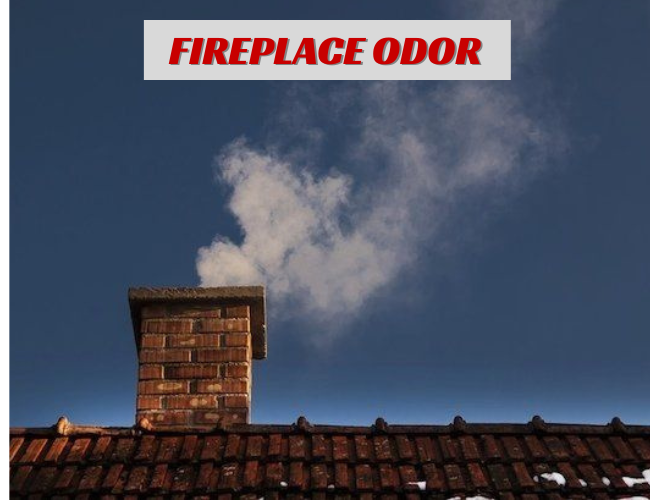
If you walk into your living room and notice a smoky or musty smell coming from your fireplace, even when it hasn’t been used recently, you’re not alone. Many Wichita homeowners experience this issue, especially during certain times of the year.
A smoky odor usually indicates a chimney problem caused by buildup, airflow issues, moisture, or debris. The good news? Most of these problems can be fixed once you identify the cause.
Here are the five most common fireplace odor causes and what you can do to solve them.
1️⃣ Creosote Buildup Inside the Chimney
Creosote is a tar-like residue that forms when wood burns and smoke cools inside the chimney flue. Over time, this buildup produces a strong smoky or burnt smell, even when the fireplace isn’t in use.
Signs of creosote buildup:
- Strong campfire smell inside the home
- Black or shiny residue inside the firebox
- Odor intensifies during humid weather
Solution: Schedule a professional chimney cleaning in Wichita, KS to remove creosote and eliminate odors.
2️⃣ Poor Chimney Draft or Airflow
A weak chimney draft can cause smoke odors to linger or even flow back into the home. Draft issues may be caused by:
- Chimney height problems
- Wind patterns around your home
- Blocked flues
- Cold air trapped in the chimney
Solution: A chimney inspection can identify airflow problems and recommend fixes to improve draft.
3️⃣ Moisture Inside the Chimney
Water entering your chimney can combine with soot and creosote to create musty, smoky, or acidic odors. Common sources of moisture include:
- Missing or damaged chimney caps
- Cracked chimney crowns
- Leaking flashing
- Masonry deterioration
Solution: Waterproofing repairs and proper sealing can prevent moisture from entering and causing odors.
4️⃣ Animal Nests or Debris
Birds, squirrels, and raccoons sometimes use chimneys as sheltered spaces. Nests and debris can block airflow and create strong odors.
Signs of animal activity:
- Chirping or scratching sounds
- Debris falling into the fireplace
- Strong unpleasant smells
- Reduced chimney draft
Solution: A professional inspection can safely remove debris and assess any damage caused by animals.
5️⃣ Negative Air Pressure in the Home
Modern airtight homes sometimes experience negative air pressure, which can pull air down the chimney instead of letting it flow upward. Appliances like kitchen exhaust fans, bathroom fans, and HVAC systems can contribute.
Potential fixes include:
- Installing a chimney cap
- Adjusting home ventilation
- Improving chimney draft
- Ensuring the damper is sealed properly
A certified chimney technician can diagnose and correct these issues.
⚠️ When Fireplace Odors Are Most Noticeable
Chimney odors tend to intensify during:
- Hot, humid summer weather
- Rainy days
- Periods of fireplace inactivity
- Major temperature swings
Humidity can amplify creosote and soot odors, making them more noticeable inside your home.
🛡 How to Prevent Fireplace Odors
Routine maintenance is the best way to prevent chimney odor problems. Tips include:
✔ Schedule annual chimney inspections
✔ Have your chimney professionally cleaned
✔ Burn properly seasoned firewood
✔ Install a chimney cap to keep out moisture and animals
✔ Address leaks or masonry damage early
📞 When to Call a Chimney Professional
If odors persist or worsen, it’s time to schedule a professional chimney inspection. Experts can recommend solutions such as:
- Chimney sweeping
- Creosote removal
- Waterproofing repairs
- Draft improvements
- Chimney cap installation
Early action protects your chimney system and keeps your home safe and comfortable.
✅ Schedule a Chimney Inspection in Wichita
If your fireplace smells smoky or musty, our team can identify the cause and recommend the right solution. We provide:
- Professional chimney inspections
- Creosote removal and cleaning
- Chimney leak repair and waterproofing
- Honest recommendations with clear explanations
Call today to schedule your free quote and get your fireplace smelling fresh and working safely again.

0 Comments