
🔥 Creosote: The Hidden Danger in Your Chimney
If you use a wood-burning fireplace or stove, there’s one word you should know: creosote ⚠️.
Creosote buildup is the leading cause of chimney fires, yet many homeowners don’t realize it’s
forming until there’s already a serious problem.
The good news? With regular inspections and professional creosote removal in Wichita, chimney
fires are highly preventable.
Let’s break down what creosote is, why it’s dangerous, and how to keep your home safe 🏠.
🧪 What Is Creosote?
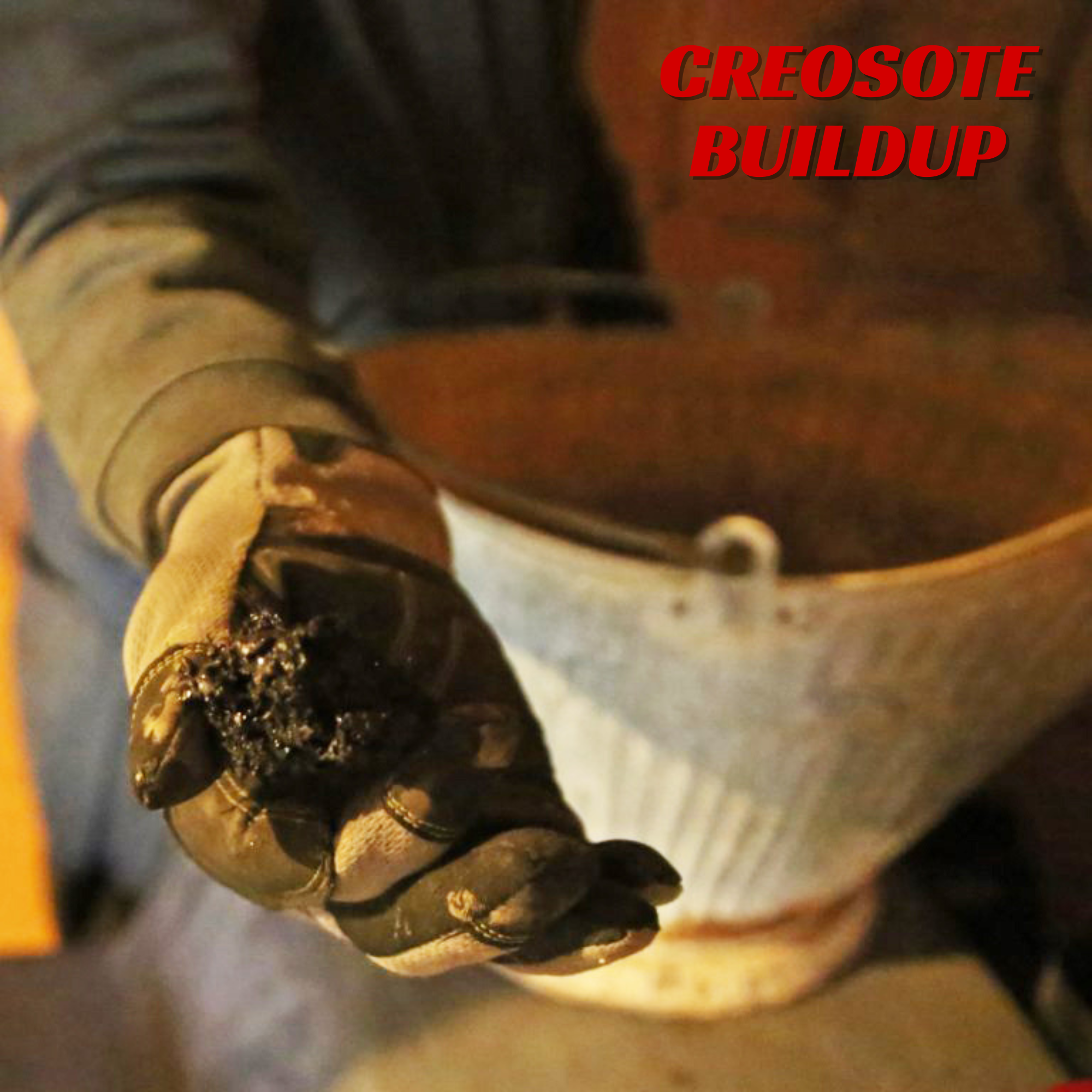
Creosote is a highly flammable residue that forms when wood smoke cools and condenses inside
your chimney flue. As smoke rises, it carries unburned gases, vapors, and particles that stick to the
chimney walls.
Over time, this residue builds up and hardens—creating the perfect fuel for a chimney fire 🔥.
🌬️ How Does Creosote Form?
Creosote forms faster than most homeowners expect, especially under common Kansas burning
conditions.
Factors that increase creosote buildup include:
• Burning unseasoned or damp firewood 🌲
• Low-temperature fires
• Poor airflow or draft issues
• Infrequent chimney cleaning
• Long or oversized flue systems
• Older or improperly lined chimneys
Even occasional fireplace use can lead to dangerous buildup.
🧱 The Three Stages of Creosote Buildup
Not all creosote looks the same—and some types are far more dangerous than others.
🟤 Stage 1: Flaky Creosote
• Looks like black or brown soot
• Easily removed with standard chimney cleaning
• Still flammable, but manageable with routine maintenance
This is why annual chimney cleaning in Wichita, KS is so important.
🟠 Stage 2: Crunchy Creosote
• Thicker, tar-like deposits
• Harder to remove
• Requires specialized tools
At this stage, fire risk increases significantly.
⚫ Stage 3: Glazed Creosote (Most Dangerous)
• Shiny, hard, and glass-like
• Extremely flammable
• Resistant to standard sweeping
Glazed creosote is the most dangerous form and the most common cause of severe chimney fires.
🚨 Why Creosote Is So Dangerous
Creosote ignites at very high temperatures—but once it catches fire, it burns fast and extremely
hot.
A chimney fire can:
• Crack or destroy flue liners
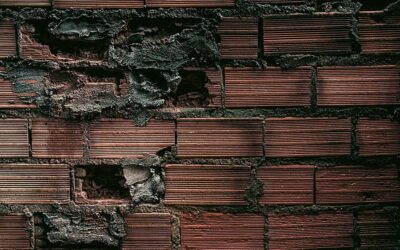
• Damage chimney masonry
• Spread fire into walls or the attic
• Release dangerous gases into the home ☠️
• Render your fireplace unsafe to use
Many chimney fires go unnoticed until structural damage has already occurred.
👀 Warning Signs of Creosote Buildup
Creosote buildup doesn’t always come with obvious symptoms. However, common warning signs
include:
✔ Strong smoky or campfire odors
✔ Thick black residue inside the firebox
✔ Poor draft or smoke entering the room
✔ Louder-than-normal roaring fires
✔ A shiny black coating inside the flue
✔ Debris falling into the fireplace
If you notice any of these, it’s time for a professional inspection.
🧹 How Creosote Is Safely Removed
The method used depends on the severity of the buildup.
🧼 Standard Chimney Sweeping
Works well for:
• Stage 1 creosote
• Light to moderate buildup
• Regularly maintained chimneys
This should be done at least once per year for most homes.
🧪 PCR Chimney Treatment for Glazed Creosote
When glazed creosote is present, sweeping alone isn’t enough. This is where PCR chimney
treatment comes in.
PCR (Poultice Creosote Remover):
• Breaks down hardened creosote chemically
• Reduces flammability over time
• Allows safe removal during follow-up sweeps
• Restores safer chimney operation
PCR is often the safest and most effective solution for advanced creosote buildup.
📆 How Often Should Creosote Be Removed?
Most Kansas homeowners should schedule:
• Annual chimney inspections
• Regular cleanings if burning wood
• More frequent service if you burn daily or use a wood stove as a primary heat source
Your chimney inspector can recommend the right schedule based on usage and chimney condition.
🛡️ Chimney Fire Prevention Starts With Maintenance
The best way to prevent chimney fires is simple and proactive.
Chimney fire prevention tips:
✔ Schedule annual inspections
✔ Clean chimneys regularly
✔ Burn dry, seasoned firewood
✔ Avoid smoldering, low-temperature fires
✔ Install a proper chimney cap
✔ Address draft and airflow issues early
Regular maintenance dramatically reduces risk 🔥➡️🚫.
🏠 Don’t Ignore Creosote—Protect Your Home
Creosote buildup is silent, hidden, and dangerous—but it’s also completely manageable with the
right care.
If you’re due for an inspection or suspect buildup, professional creosote removal in Wichita
can make all the difference.
📞 Schedule Chimney Cleaning & Creosote Removal Today
Our team provides:
• Certified chimney inspections
• Professional chimney cleaning
• PCR treatment for glazed creosote
• Clear photos and honest recommendations
👉 Schedule Your Chimney Inspection Today and keep your home safe all year long.
0 Comments