
As cooler weather returns to Kansas, many homeowners are eager to light their fireplace for the first time in months—or even years. But before you strike that first match, it’s worth asking an important question:
“Is it safe to use my fireplace if it hasn’t been inspected in years?”
The honest answer is not until you know it’s safe.
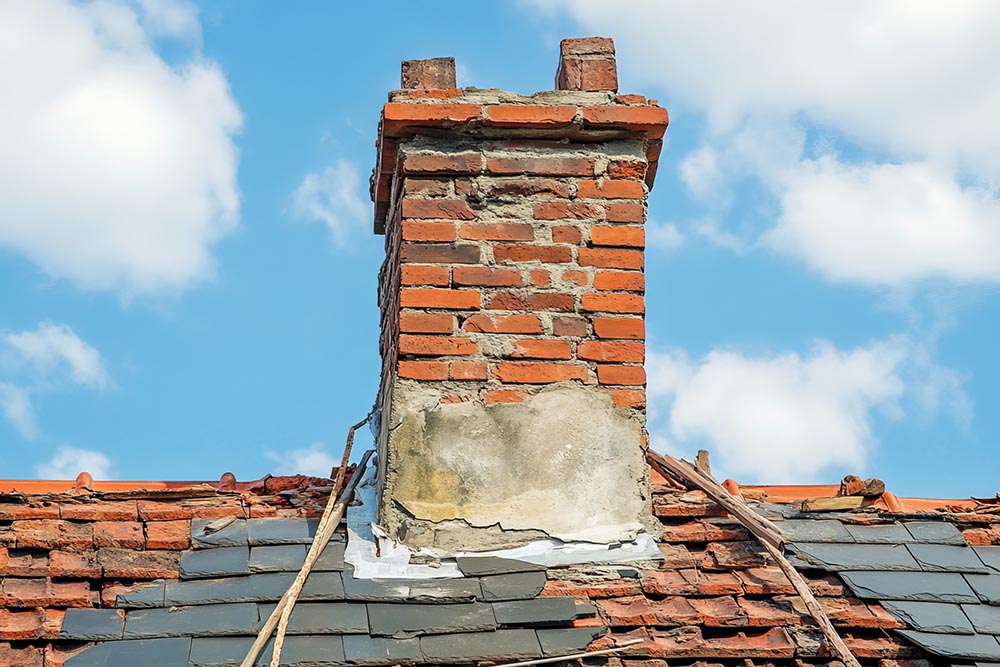
Even if your fireplace looks perfectly fine from the outside, hidden issues inside the chimney can create serious safety hazards. Over time, creosote buildup, water damage, cracked liners, and even animal nests can make an unused fireplace unsafe to operate.
Before enjoying another cozy evening by the fire, here’s why scheduling a fireplace inspection in Wichita is one of the smartest decisions you can make.
Why Chimneys Need Regular Inspections
Your chimney works hard every time you use your fireplace or wood stove. It safely carries smoke, heat, and combustion gases out of your home.
Even when the fireplace isn’t being used, your chimney is constantly exposed to:
- Rain and snow
- High winds
- Extreme temperature changes
- Moisture
- Wildlife
Over the years, these conditions can slowly damage your chimney without any obvious signs from inside your home.
That’s why the National Fire Protection Association recommends an annual chimney inspection, regardless of how often you use your fireplace.
Hidden Problems You Can’t See
One of the biggest misconceptions homeowners have is that if the fireplace “looks okay,” it must be safe.
Unfortunately, many chimney problems develop inside the flue where they cannot be seen without specialized equipment.
A professional chimney inspection in Wichita, KS can uncover issues like:
- Cracked chimney liners
- Creosote buildup
- Blockages from nests or debris
- Water intrusion
- Damaged masonry
- Chimney crown deterioration
- Flashing leaks
Many of these problems are impossible to identify without a camera inspection.
Creosote Doesn’t Go Away on Its Own
If you’ve used your fireplace in the past, creosote may still be inside the chimney.
Creosote is a highly flammable residue that builds up as wood burns. Even if the fireplace has been sitting unused for years, that buildup remains until it’s professionally removed.
Lighting a fire without knowing the condition of your chimney could increase the risk of a chimney fire.
Professional inspections and chimney cleaning help eliminate that risk.
Animals Love Unused Chimneys
An unused chimney often becomes the perfect home for wildlife.
It’s common for chimney professionals to find:
- Birds’ nests
- Squirrels
- Raccoons
- Leaves and branches
- Other debris
These blockages can restrict airflow and prevent smoke from exiting your home properly.
They can also become fire hazards if left inside the chimney.
Water Damage Happens Even When the Fireplace Isn’t Used
Many homeowners assume that if they haven’t used their fireplace, it can’t be damaged.
In reality, water is one of the leading causes of chimney deterioration.
Over several years, moisture can cause:
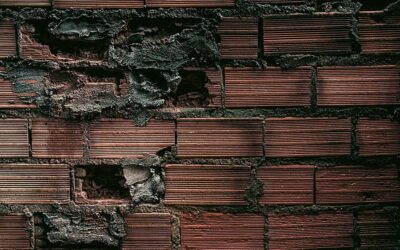
- Cracked mortar joints
- Damaged chimney crowns
- Rusted dampers
- Brick deterioration
- Interior wall stains
- Mold and mildew
Kansas weather—with its heavy rains, strong winds, and freeze-thaw cycles—can accelerate this damage.
Smoke and Carbon Monoxide Can Become Serious Hazards
A damaged or blocked chimney doesn’t just affect smoke.
It can also prevent harmful combustion gases, including carbon monoxide, from venting properly.
An obstructed chimney may cause:
- Smoke entering your living room
- Poor fireplace performance
- Dangerous carbon monoxide exposure
- Increased fire risk
A professional fireplace safety inspection helps ensure your chimney vents safely and efficiently.
When Should You Definitely Schedule an Inspection?
You should schedule a professional inspection if:
- It’s been more than one year since your last inspection
- You recently purchased a home
- You don’t know the chimney’s maintenance history
- You notice smoky odors
- Water has leaked around the fireplace
- Animals have been inside the chimney
- You’re planning to use the fireplace after several years of inactivity
Even if everything appears normal, an inspection provides peace of mind before fireplace season begins.
What Happens During a Professional Chimney Inspection?
A professional chimney inspection is much more than a quick visual check.
Our inspection includes:
Exterior Evaluation
We inspect:
- Brick and mortar
- Chimney crown
- Flashing
- Chimney cap
- Overall structural condition
Interior Fireplace Inspection
We examine:
- Firebox
- Damper
- Smoke chamber
- Accessible fireplace components
Video Camera Inspection
Using specialized camera equipment, we inspect the entire flue for:
- Cracked liners
- Creosote buildup
- Hidden structural damage
- Obstructions
- Moisture damage
This allows us to identify problems before they become expensive repairs.
Don’t Wait Until You Need Your Fireplace
Every fall, chimney companies experience a surge in service calls after the first cold weather arrives.
By scheduling your inspection early, you’ll enjoy:
✔ Greater appointment availability
✔ Time to complete any needed repairs
✔ Peace of mind before fireplace season
✔ A safer, cleaner fireplace
Preventative maintenance is always easier—and often less expensive—than emergency repairs.
Protect Your Home with an Annual Chimney Inspection
Your fireplace is meant to bring warmth and comfort—not unexpected problems.
If it has been years since your chimney was inspected, or you’re unsure of its condition, now is the perfect time to have it professionally evaluated.
Our experienced team provides:
- Level 2 chimney inspections
- Chimney cleaning and creosote removal
- Chimney leak detection
- Masonry repairs
- Waterproofing services
- Detailed inspection reports with photos
- Honest recommendations—never high-pressure sales
Whether your fireplace has been used every winter or has been sitting unused for years, we’ll help ensure it’s safe, efficient, and ready for the next burn season.
Call today to schedule your free quote, and let Flue Bird Chimney help you enjoy your fireplace with confidence.
0 Comments