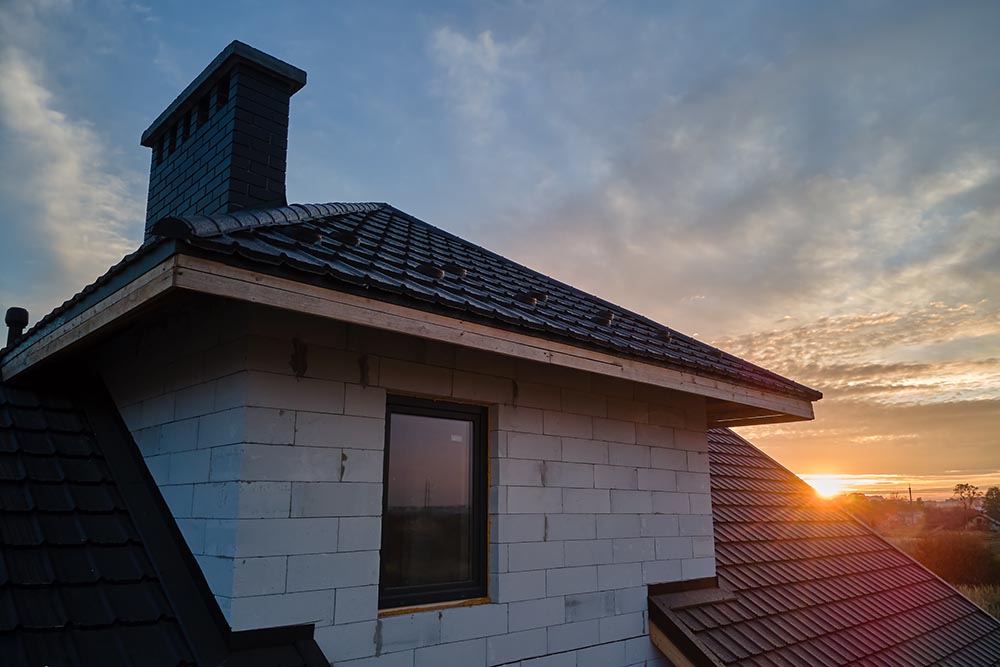

When most homeowners think about a chimney, they picture a classic brick structure rising above the roofline. While many homes do have traditional masonry chimneys, a large number of newer homes are built with prefabricated, or factory-built, chimney systems.
Although both types serve the same basic purpose—safely venting smoke and combustion gases—they’re built very differently and require different maintenance and repair approaches.
Whether you’re buying a home, planning a fireplace upgrade, or scheduling a chimney inspection, understanding the differences between a masonry chimney vs. prefab chimney can help you make informed decisions and properly care for your fireplace system.
What Is a Masonry Chimney?
A masonry chimney is the traditional style most people recognize.
It is built on-site using materials such as:
- Brick
- Stone
- Concrete block
- Mortar
Inside the chimney is a flue liner—typically made of clay tile, stainless steel, or a cast-in-place system—that safely carries smoke and gases out of your home.
Many older homes throughout Wichita and surrounding communities feature masonry chimneys because they are durable, attractive, and built to last.
Benefits of Masonry Chimneys
Masonry chimneys have remained popular for decades because they offer several advantages.
Long Lifespan
When properly maintained, a masonry chimney can last for generations.
Classic Appearance
Brick and stone chimneys add timeless curb appeal and can increase the value of a home.
Excellent Heat Retention
Masonry absorbs and slowly releases heat, helping your fireplace stay warm even after the fire has gone out.
Highly Customizable
Because they’re built on-site, masonry chimneys can be customized to fit almost any architectural style.
Maintenance Needs for Masonry Chimneys
Like any part of your home, masonry chimneys require routine maintenance.
Common issues include:
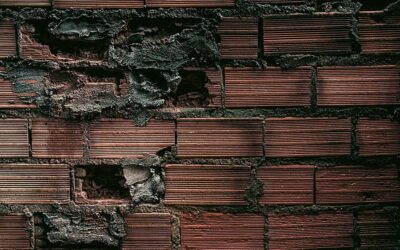
- Cracked mortar joints
- Damaged bricks
- Chimney crown deterioration
- Water leaks
- Flashing problems
- Creosote buildup
Kansas weather can be especially hard on brick chimneys due to heavy rain, hail, high winds, and freeze-thaw cycles.
Regular inspections help identify problems before they become expensive structural repairs.
What Is a Prefabricated Chimney?
A prefabricated chimney—also called a factory-built chimney—is manufactured in sections and installed as part of a complete fireplace system.
Instead of brick construction, these chimneys are typically made from insulated stainless steel components surrounded by protective metal housing.
They are commonly installed with:
- Zero-clearance fireplaces
- Gas fireplaces
- Modern wood-burning fireplaces
- New construction homes
Many homes built within the past few decades use prefabricated chimney systems because they are quicker to install and more affordable than masonry construction.
Benefits of Prefabricated Chimneys
Factory-built chimney systems offer several advantages.
Lower Installation Cost
Because they’re manufactured in sections, installation is generally faster and less labor-intensive.
Lightweight Design
They place less structural weight on the home than masonry chimneys.
Faster Construction
Builders can often install prefabricated systems much more quickly during new construction.
High Efficiency
Many modern prefabricated fireplaces are designed to maximize heating efficiency while meeting current safety standards.
Maintenance Needs for Prefabricated Chimneys
Although they require less structural maintenance than brick chimneys, prefabricated systems still need annual inspections.
Common issues include:
- Rusted chimney caps
- Damaged chimney pipe sections
- Worn firebox components
- Damaged chimney chase covers
- Water intrusion
- Creosote buildup (wood-burning units)
Many homeowners mistakenly believe metal chimneys are maintenance-free—but that’s simply not true.
Every chimney system should be inspected annually for safety.
How Can You Tell Which Type You Have?
If you’re unsure what kind of chimney your home has, here are a few clues.
Masonry Chimneys
- Brick or stone construction from the ground up
- Larger chimney structure
- Traditional appearance
- Often found in older homes
Prefabricated Chimneys
- Metal chimney pipe inside a framed chase
- Metal chimney cap or chase cover
- Typically connected to factory-built fireplaces
- Common in homes built in the last 30–40 years
If you’re still unsure, a professional chimney inspection can quickly identify your system.
Do Both Types Need Chimney Cleaning?
Absolutely.
Whether you have a masonry chimney or a prefabricated system, regular chimney cleaning is essential.
Wood-burning fireplaces of any kind produce:
- Soot
- Creosote
- Ash
Without routine cleaning, these materials build up inside the flue and increase the risk of chimney fires.
Annual chimney sweeping helps keep both systems operating safely and efficiently.
Common Repairs for Masonry Chimneys
Because they’re exposed to the elements year-round, masonry chimneys often require repairs such as:
- Tuckpointing damaged mortar
- Brick replacement
- Chimney crown repair
- Waterproofing
- Flashing replacement
- Chimney rebuilds
- Flue liner repairs
Many of these repairs can significantly extend the life of the chimney when addressed early.
Common Repairs for Prefabricated Chimneys
Factory-built systems have different repair needs.
These often include:
- Chimney cap replacement
- Chase cover replacement
- Pipe section replacement
- Firebox repairs
- Chimney pipe resealing
- Manufacturer-approved component replacement
Unlike masonry chimneys, prefabricated systems typically require replacement with compatible parts from the original manufacturer.
Which Type Lasts Longer?
With proper maintenance, both systems can provide many years of safe operation.
Generally speaking:
Masonry Chimneys
- Can last 75–100+ years
- Require more maintenance
- Often need masonry repairs over time
Prefabricated Chimneys
- Typically last 20–40 years, depending on the manufacturer and maintenance
- Easier and less expensive to install
- May eventually require replacement of system components
Neither system is inherently “better.” The best choice depends on your home, your budget, and your heating needs.
Annual Inspections Are Important for Both
Regardless of which type of chimney you own, annual inspections are one of the best ways to protect your investment.
A professional inspection helps identify:
- Hidden damage
- Water intrusion
- Creosote buildup
- Worn components
- Safety concerns
Catching these issues early often saves homeowners significant repair costs later.
Let Flue Bird Chimney Help You Protect Your Fireplace
Whether your home has a traditional brick chimney or a modern factory-built fireplace system, proper maintenance is the key to keeping it safe and operating efficiently.
At Flue Bird Chimney, we service both masonry and prefabricated chimney systems throughout Wichita and the surrounding communities. Our experienced technicians provide detailed inspections, chimney cleaning, masonry repairs, waterproofing, fireplace restoration, and honest recommendations tailored to your specific chimney.
Call today to schedule your free, no-obligation quote, and let our family-owned team help keep your fireplace safe, efficient, and ready for years of dependable use.

0 Comments